Volvo Car UK analysis reveals nearly 2,000 casualties in animal-related road collisions as clocks go back

22 October 2026
Thursday 22 October 2026 – More than half of police-recorded animal-related injury collisions in Great Britain happen in darkness, new analysis by Volvo Car UK has revealed, as drivers prepare for darker autumn journeys.
- Volvo analysis of the latest five-year Department for Transport data identifies 1,503 collisions and 1,939 human casualties across Great Britain
- Almost four in five (79%) occurred on rural roads, while more than one in four were classed as fatal or serious
- Analysis shows 54% of police-recorded animal-related injury collisions happened in darkness, compared with 28% of injury collisions overall
- Volvo Cars has turned decades of real-world accident knowledge into pioneering technologies to help prevent or mitigate collisions with large animals
Volvo’s analysis of the latest Department for Transport (DfT) data* found that 1,939 people have been injured or killed in animal-related collisions following over 1,500 incidents across the last five years (2021–2025).
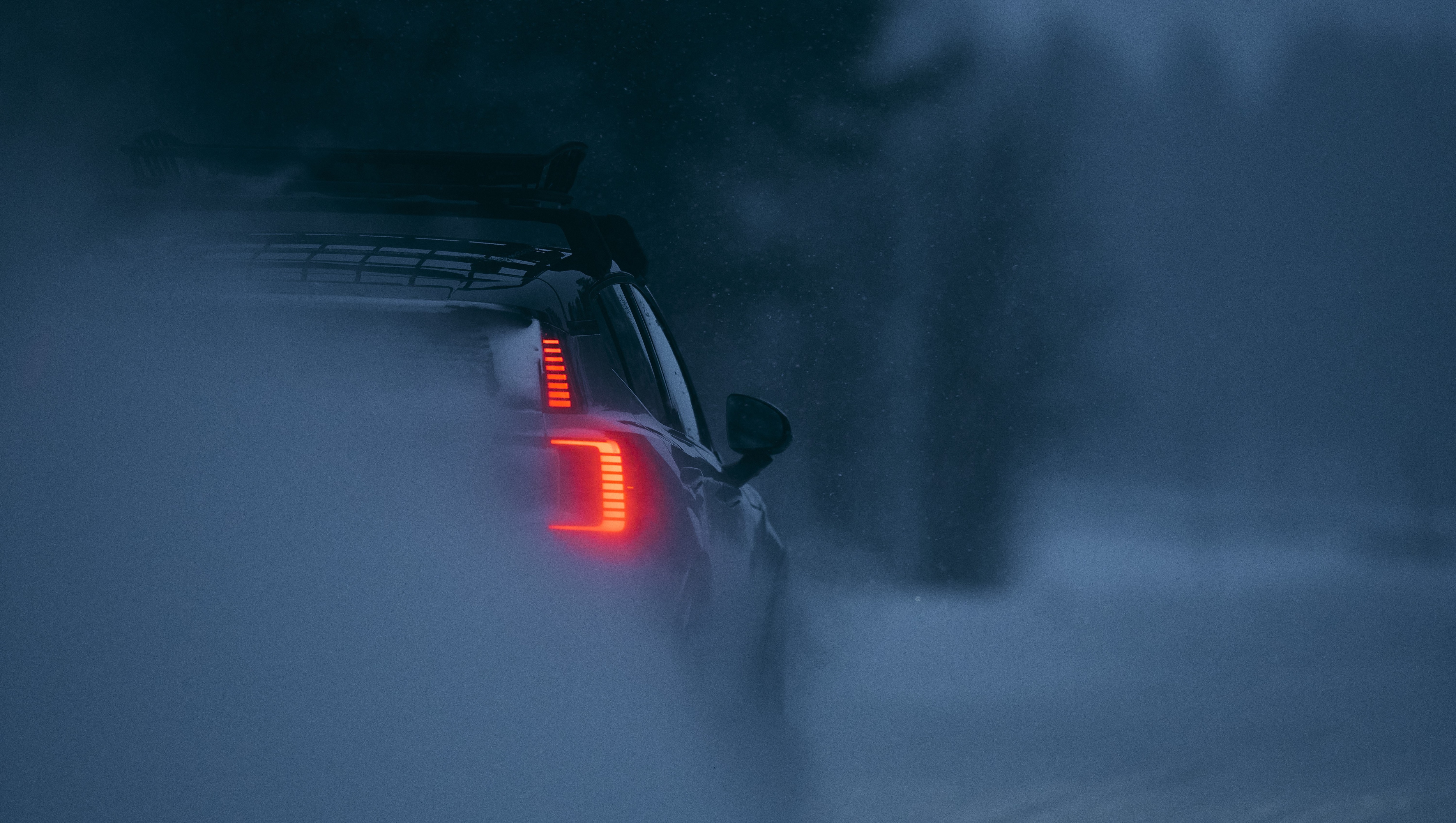
Animal-related accidents present particular challenges in low-light conditions. The data shows that 54% of all animal-related accidents which resulted in human casualties happened in darkness, compared with 28% of all reported injury collisions overall.
Almost four in five animal-related collisions (79%) were recorded on rural roads, while more than one in four (28%) were classified as fatal or serious collisions.
The findings come ahead of the clocks going back when drivers in Great Britain are more likely to come across wildlife in darkness.
Nicole Melillo Shaw, Managing Director of Volvo Car UK, commented: "As the darker nights draw in and the clocks go back, greater driver awareness of the risks on the roads can make for a safer journey. Animals on the road can appear with little warning, and the data shows that these incidents are concentrated in darkness and on rural roads.
“At Volvo, decades of real-world safety knowledge have helped shape technologies such as Large Animal Detection, designed to identify hazards and brake when needed. But staying alert and adapting your speed to the conditions remain essential, especially on darker winter journeys.”
The Volvo analysis also highlights variation across Great Britain. The Metropolitan Police recorded the highest number of animal-related personal-injury collisions over the five-year period, with 123, followed by Police Scotland (96) and Hampshire (80). West Mercia recorded 77, Sussex 68 and Thames Valley 66. Rural force areas including North Yorkshire, Lincolnshire and Dyfed-Powys also appeared prominently in the recorded totals.
At regional level, the South East recorded 306 collisions between 2021 and 2025, followed by the South West with 226 and the East of England with 157. The South East and South West accounted for 35% of all animal-related personal-injury collisions recorded during the period.
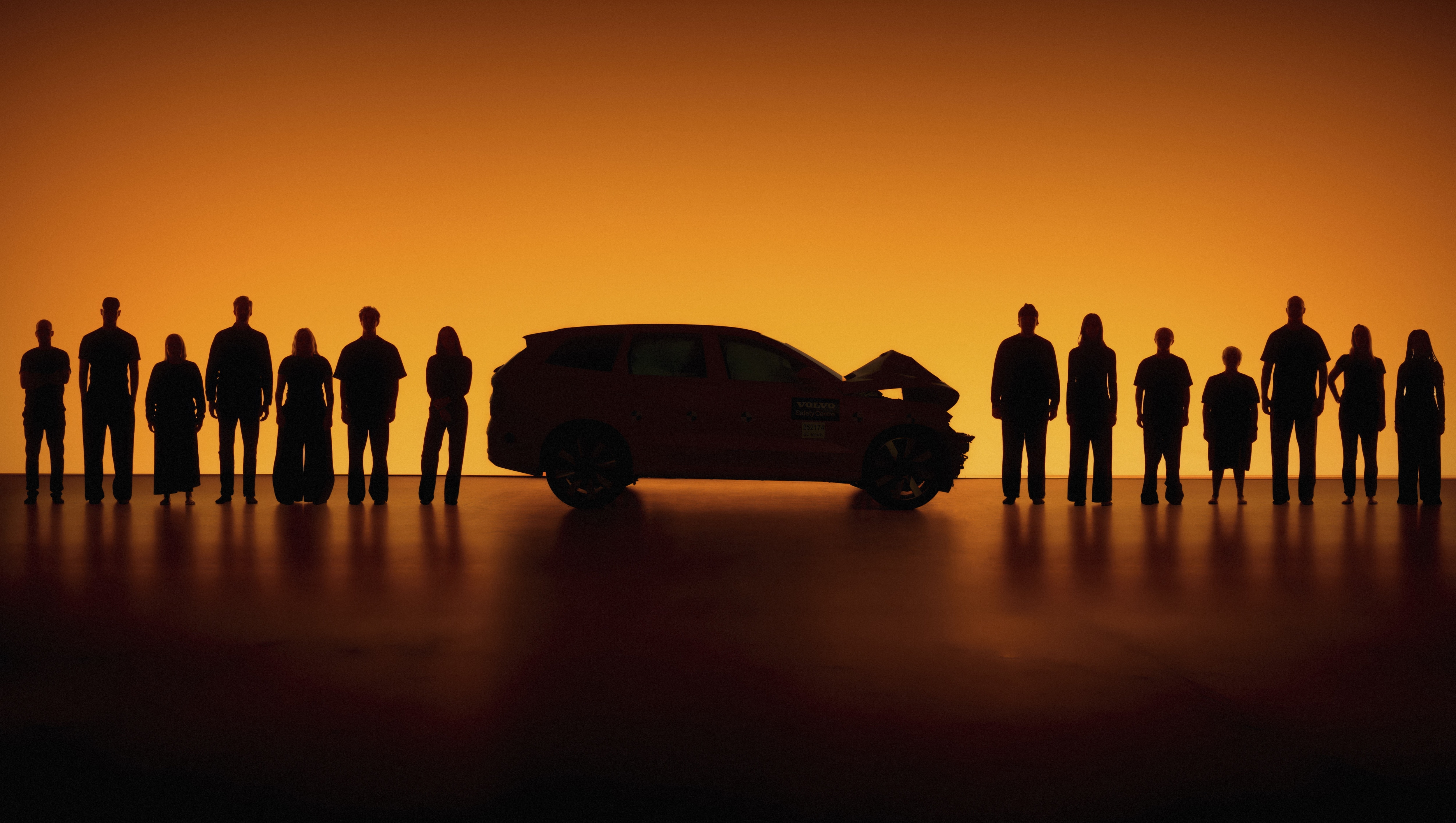
Volvo Cars has been studying large-animal collisions since the 1980s, using insights from real-world accidents to help develop cars that better protect people. At its Safety Centre in Gothenburg, safety engineers recreate severe impacts using specialist equipment, including a 360 kg moose crash-test dummy, one of only two in the world. This testing forms part of Volvo Cars’ holistic approach to safety, helping deepen its understanding of real-world collisions and how to better protect people.
In 2016, Volvo Cars introduced its world-first Large Animal Detection technology, building on its earlier pedestrian and cyclist detection technologies with automatic braking. Using data from the car’s exterior sensors and smart algorithms, the system is designed to detect large animals, assess the risk of a collision, warn the driver and, if necessary, automatically brake to help mitigate an impact.
The company’s industry-first Connected Safety technology complements this approach by allowing compatible Volvo cars to share information about certain road hazards through the cloud, helping alert approaching drivers and giving them more time to adapt their driving.
The timing of collisions also varies through the year. Across the five-year dataset, August recorded the highest total, with 157 collisions, followed by October with 151. November also recorded a high number of collisions, with 141.
The evening hours are particularly prominent. Almost three in 10 animal-related collisions occurred between 7pm and midnight, with 9pm recording the highest number of any individual hour across the five-year period.
Volvo’s analysis covers personal-injury collisions recorded by police, rather than every incident involving a vehicle and an animal. The overall number of animal strikes on Great Britain’s roads is therefore likely to be substantially higher.
The British Deer Society estimates that more than 40,000 deer are killed or injured on UK roads each year, with the true figure potentially as high as 74,000. It also says that many deer-vehicle incidents go unreported.
For more information, please visit: https://www.volvocars.com/uk/
ENDS
Notes for editors
Data source: Volvo Car UK analysed the Department for Transport’s STATS19 road safety data for 2021–2025. STATS19 records police-reported personal-injury collisions on public roads in Great Britain, including details such as location, time, road type and casualties. Volvo identified 1,503 police-recorded personal-injury collisions in which an animal was recorded as a carriageway hazard.
Published on 25 September 2026, the Government Road Safety Data can be found here: www.gov.uk/government/statistical-data-sets/road-safety-open-data
Tables
UK police-recorded personal-injury collisions involving an animal between 2021–2025
| Year | Animal-related injury collisions | Human casualties |
| 2021 | 348 | 439 |
| 2022 | 339 | 452 |
| 2023 | 280 | 360 |
| 2024 | 265 | 347 |
| 2025 | 271 | 341 |
| 5-year total | 1,503 | 1,939 |
Animal-related injury collisions by region between 2021–2025
| Region | Collisions | Share |
| South East | 306 | 20.4% |
| South West | 226 | 15.0% |
| East of England | 157 | 10.4% |
| Yorkshire & the Humber | 145 | 9.6% |
| East Midlands | 127 | 8.4% |
| West Midlands | 126 | 8.4% |
| London | 123 | 8.2% |
| Scotland | 96 | 6.4% |
| Wales | 95 | 6.3% |
| North West | 82 | 5.5% |
| North East | 20 | 1.3% |
| Total | 1,503 | 100% |
Animal-related injury collisions by month, 2021–2025
| Month | Collisions |
| January | 107 |
| February | 99 |
| March | 104 |
| April | 110 |
| May | 133 |
| June | 142 |
| July | 136 |
| August | 157 |
| September | 119 |
| October | 151 |
| November | 141 |
| December | 104 |
| Total | 1,503 |
Animal-related injury collisions by police force area between 2021–2025
| Police force area | Collisions | Human casualties |
| Metropolitan Police | 123 | 152 |
| Police Scotland | 96 | 135 |
| Hampshire | 80 | 94 |
| West Mercia | 77 | 92 |
| Sussex | 68 | 83 |
| Thames Valley | 66 | 79 |
| Devon and Cornwall | 63 | 77 |
| Lincolnshire | 57 | 72 |
| North Yorkshire | 56 | 68 |
| Dyfed-Powys | 54 | 74 |
| Dorset | 50 | 70 |
| Surrey | 48 | 61 |
| Wiltshire | 46 | 60 |
| Kent | 44 | 67 |
| Avon and Somerset | 42 | 57 |
| Norfolk | 41 | 54 |
| West Yorkshire | 41 | 52 |
| Essex | 38 | 41 |
| Humberside | 37 | 48 |
| Lancashire | 31 | 46 |
| Suffolk | 27 | 32 |
| Gloucestershire | 25 | 34 |
| Nottinghamshire | 25 | 30 |
| Cambridgeshire | 24 | 35 |
| North Wales | 22 | 31 |
| Warwickshire | 21 | 29 |
| Cheshire | 21 | 24 |
| Derbyshire | 19 | 23 |
| Leicestershire | 18 | 24 |
| Cumbria | 17 | 22 |
| Gwent | 16 | 23 |
| Hertfordshire | 15 | 20 |
| Staffordshire | 14 | 24 |
| West Midlands | 14 | 20 |
| Bedfordshire | 12 | 15 |
| South Yorkshire | 11 | 14 |
| Northumbria | 11 | 13 |
| Northamptonshire | 8 | 13 |
| Greater Manchester | 8 | 11 |
| Cleveland | 5 | 7 |
| Merseyside | 5 | 6 |
| Durham | 4 | 4 |
| South Wales | 3 | 3 |
| Total | 1,503 | 1,939 |
Originally published by Volvo
View original article →
Spotted an issue with this article, or is this your material? Rights holders